The LiT List
Glamping & Camping Ideas + Resources
The Enduring Legacy of the Sibley Tent
From Battlefield to Backyard:
Towering like a canvas cone against the canvas of history, the Sibley tent isn't just a shelter; it's a testament to human ingenuity and adaptation. Invented by Henry Hopkins Sibley, a US Army Colonel, in 1856, this iconic design has weathered wars, explored frontiers, and continues to provide refuge for outdoor enthusiasts and canvas tent manufactures today. Let's embark on a journey through the rich history of Sibley tents, from its military origins to its modern-day incarnations.
Key Takeaways
The Sibley tent was patented in 1856 by US Army Colonel Henry Hopkins Sibley, who adapted the Native American tipi's conical shape, center pole and smoke flaps. It housed a dozen men and served in the Utah Expedition, the Civil War and westward expansion. Life inTents bell tents carry the design forward with modern canvas and built-in stove jacks.
Jump to
- The visionary: Henry Hopkins Sibley
- From battlefield to frontier
- Beyond the battlefields
- Life inTents bell tents
- A legacy for the future
Related: The History of Bell Tents · The History of Canvas Camping Tents · What Is A Bell Tent? · Shop bell tents

Rendering of canvas Sibley tent
The Visionary: Henry Hopkins Sibley
While stationed on the Texas frontier, Colonel Sibley observed the practical design of Native American tipis. Recognizing their advantages for military use, he sought to create a more portable and weather-resistant version. Drawing inspiration from the tipi's conical shape, central pole, and smoke flaps, Sibley patented his innovative design in 1856. His creation offered several advantages over existing tents:
- Spacious: Comfortably housing a dozen men, it provided ample living space for troops to camp in.
- Portable: The collapsible central pole and canvas material made it lighter and easier to transport than traditional tents.
- Adaptable: The open top ventilation system allowed for smoke escape and heat regulation, making it suitable for diverse climates.
From Battlefield to Frontier:

Rendering of Canvas Sibley Tents at Camp
These Sibley tents quickly found favor with the US Army, serving as the primary shelter during the Utah Expedition of 1857-58. Its spaciousness and adaptability proved invaluable for campaigns across the Great Plains, earning it a place in historical events like the American Civil War and westward expansion. However, its success wasn't limited to the military. Settlers, explorers, and adventurers adopted the Sibley tent for its practicality and ease of use, establishing its legacy as a symbol of frontier exploration.
Beyond the Battlefields:
As military needs evolved, Sibley tents gradually faded from widespread use. However, its design continued to inspire modern camping enthusiasts. Recognizing its timeless appeal and functionality, camping companies like Life Intents revived the Sibley tent, incorporating modern materials and designs while staying true to its essence. Life Intents' bell tents, inspired by the Sibley style, cater to a diverse audience, offering various sizes and features to suit different camping needs.
The Allure of Life Intents' Bell Tents:

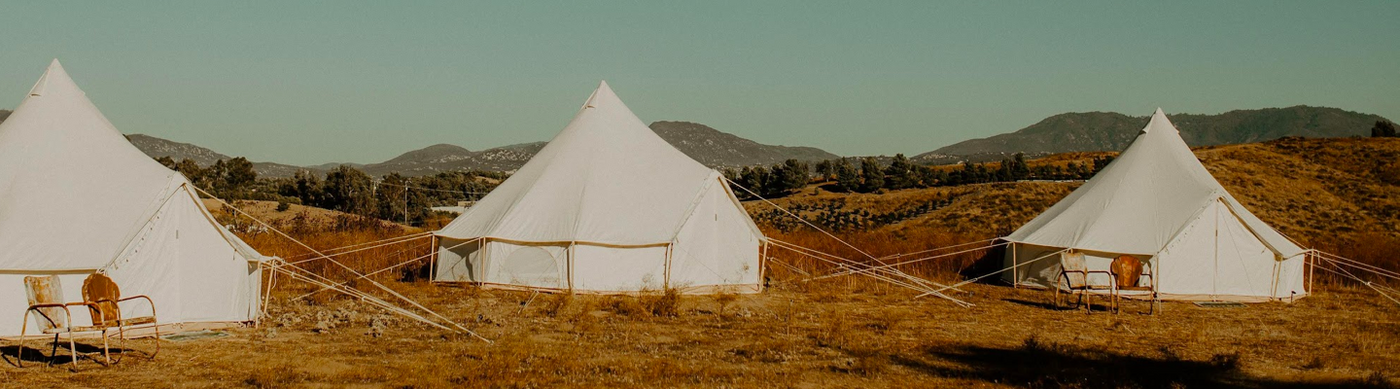
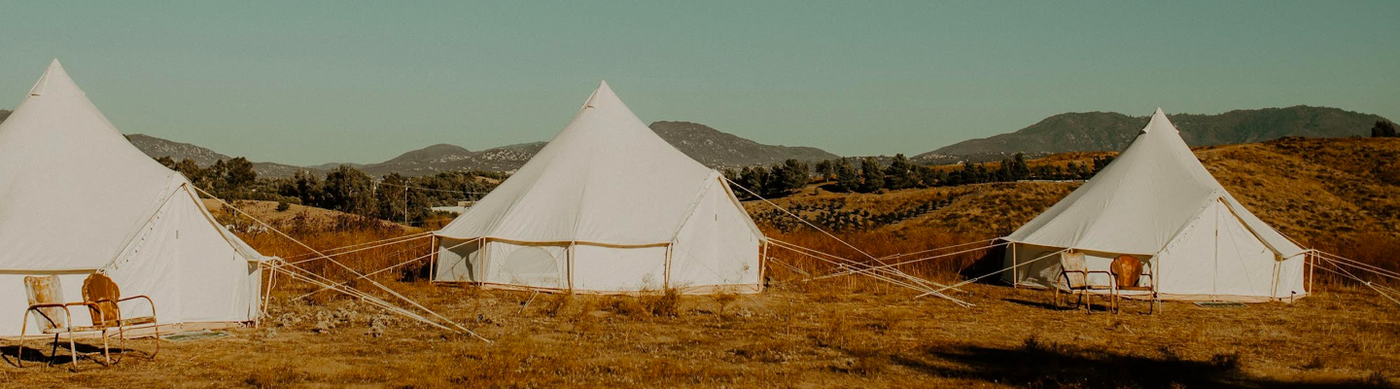
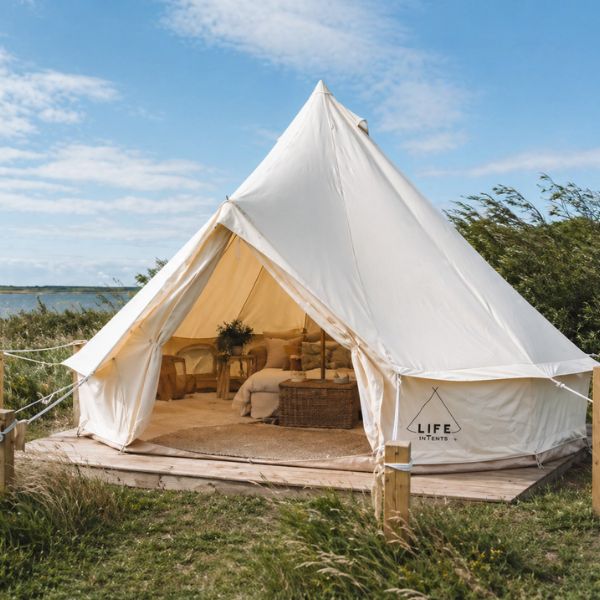
Canvas Camping Tent By Life Intents
Life Intents' bell tents, drawing inspiration from the Sibley design, share several key characteristics:
- Conical design: Offering spacious interiors with ample headroom and standing space.
- Central pole: Easy to set up and provides a sturdy structure.
- Durable canvas: Withstands various weather conditions.
- Ventilation systems: Ensure proper airflow and prevent condensation.
- Multiple sizes: Catering to solo campers, families, and even large groups.
However, Life Intents elevates the traditional Sibley design with modern advancements:
- Higher quality canvas: Treated for water resistance, breathability, flame retardancy and UV protection.
- Built-in stove jacks: Enabling safe and convenient heat produced by a wood burning stove.
- Mesh windows and doors: Enhance ventilation and insect protection.
- A Groundsheet: Provide additional protection from moisture and insects.
- A-Frame Door: To keep the entrance supported.
A Legacy for the Future:
More than just a tent, the Sibley design embodies a spirit of exploration, resilience, and connection with nature. Life Inents carries this legacy forward with their contemporary interpretations of the bell tent, making it accessible to modern campers who seek adventure, comfort, and a touch of history in their outdoor experiences. Whether you're a seasoned outdoor enthusiast or embarking on your first camping trip, a Life Intents camping tent offers a unique and timeless alternative to traditional camping shelters. So, pitch your canvas tent under the stars, and experience the enduring legacy the Sibley tents – a testament to human ingenuity and a symbol of enduring adventure.

Related Resources

Campout Continued - Summer Tent Staycation
At Life inTents HQ, we have heard a few stories through the years of happy campers extending their cAt Life inTents HQ, we have heard a few stories through the years of happy campers extending their campout experience, on purpose and on accident, by keeping their tent up in their backyard. No matter the reason, the overall experience appears to have the same theme: extended vibrant nature night-sounds, screen-free game time, laughs, and the occasional dance party. Read on to hear a first-hand interview from a family of four!
How Do Bell Tents Handle Wind? What to Know Before You Set Up
Canvas bell tents are loved for their roomy interiors, classic shape, and comfortable glamping feel.Bell tents can handle wind well when properly set up. Learn how shape, staking, guy line tension, and long-term anchoring all affect wind performance.