The LiT List
Glamping & Camping Ideas + Resources
Best Hunting Tents for Elk Camp: What to Look For
Best Hunting Tents for Elk Camp: What to Look For
Elk hunting can take you into some spectacular country. It can also mean cold mornings, unpredictable mountain weather, wet gear, early wake-ups, and several days away from anything resembling a warm bed.
That makes your hunting tent more than just a place to sleep.
For a multi-day elk hunt, a good basecamp tent gives you somewhere to warm up, dry gear, organize equipment, sleep comfortably, and regroup before heading back out the next morning. And if you're hunting with a group, a little extra room can make a big difference after several days in camp.
So what makes the best hunting tent for elk camp?
The answer depends largely on how you're getting to camp, how many hunters you're bringing, and how long you plan to stay. Here's what to consider.

Start With the Type of Elk Hunt
Before comparing tent sizes, canvas weights, or stove jacks, think about how you'll actually be hunting.
Backcountry Elk Hunting
If you're carrying everything several miles into the backcountry, weight matters more than almost anything else. A lightweight backpacking tent is usually the better choice.
Canvas hunting tents are heavy by design. They're made to provide a much more substantial shelter, so they're generally better suited for a basecamp that can be reached by truck, ATV, pack animal, or another means of transporting gear.
If every ounce is going on your back, leave the big canvas tent at home.
Vehicle-Accessible Elk Camp
This is where a canvas outfitter tent really shines.
If you're establishing a basecamp near a forest road, trailhead, private property, or another vehicle-accessible location, you can afford to bring a larger shelter. Instead of crawling into a small backpacking tent at the end of the day, you can create an actual camp with cots, chairs, storage, and potentially a wood stove.
For hunts lasting several days or longer, that extra comfort isn't simply luxurious. Getting warm, getting your gear dry, and getting a decent night's sleep can make the next morning considerably more enjoyable.
Once you've chosen your shelter, see our guide on how to set up a hunting base camp for tips on tent placement, cots, gear storage, cooking areas and wood stove setup.
Why Canvas Makes Sense for an Elk Hunting Tent
There is a reason canvas tents have such a long history in hunting camps.
Canvas Is Breathable
Multiple hunters sleeping inside a tent can create a surprising amount of moisture overnight. Add wet boots, damp jackets, and changing temperatures and condensation can quickly become an issue.
Canvas is naturally more breathable than many synthetic tent materials, allowing moisture and heat to escape more easily.
That can make a noticeable difference when you're living in the same tent for a week.
Canvas Provides a More Substantial Shelter
Elk seasons often mean camping when temperatures are considerably cooler than during summer.
A heavy canvas tent creates a more substantial barrier between you and the conditions outside and can provide a comfortable basecamp through cold nights and changing weather.
For hunters who return to the same camp each evening, that makes canvas especially appealing.
Canvas Works Well With a Wood Stove
For cold-weather elk camp, this may be the biggest advantage of all.
A properly designed hunting tent with a stove jack allows you to install a compatible wood-burning tent stove. A stove can warm the tent while you're getting ready in the morning, give you somewhere to escape the cold after sunset, and help dry damp hunting clothes and gear.
If you expect cold conditions, we'd put stove compatibility high on the list when choosing an elk hunting tent.
Bell Tent vs. Wall Tent for Elk Hunting
The classic outfitter or wall tent is practically synonymous with elk camp. But it isn't the only canvas-tent design worth considering.
Both wall tents and bell tents can make excellent hunting shelters.
Traditional Canvas Wall Tents
A wall tent gives you vertical sidewalls and a rectangular interior that's easy to organize with multiple cots, tables, and gear.
For larger hunting parties or camps that will remain set up for extended periods, a wall tent is hard to beat.
The tradeoff is the structure. Traditional wall tents usually require more poles or a frame, giving you additional pieces to haul, assemble, and store.
For a broader comparison, see our guide to choosing an outfitter and hunting tent.

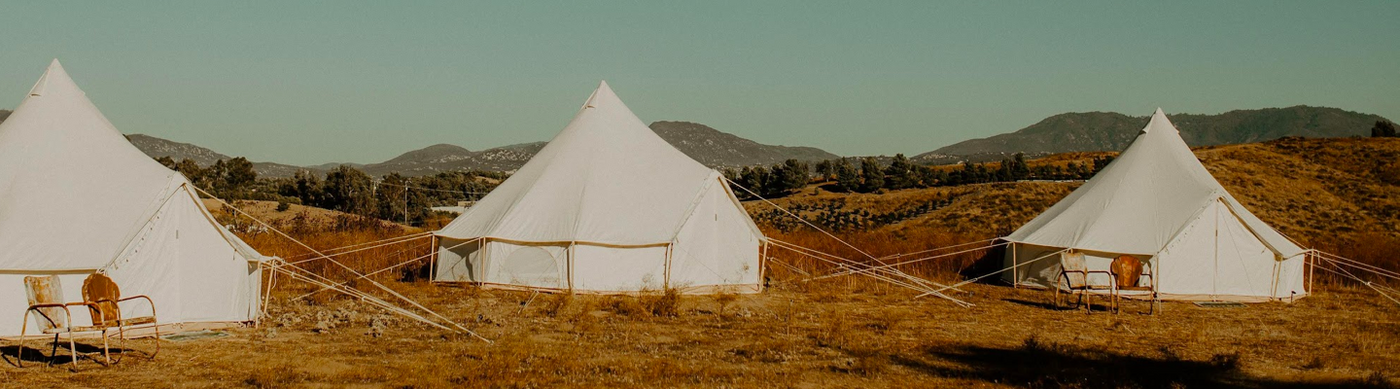
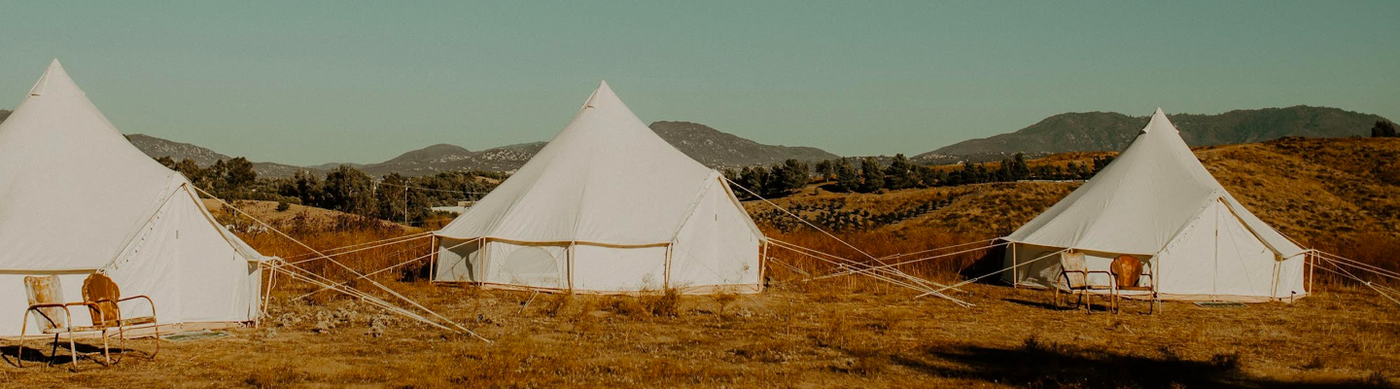
Canvas Bell Tents
A canvas bell tent approaches the same problem differently.
Instead of an extensive frame, the structure is supported primarily by a center pole, perimeter stakes, and guy lines. That can make setup and transportation considerably simpler while still providing a large interior.
For an elk camp that moves from year to year — or hunters who simply don't want to transport an entire wall-tent frame — a bell-style canvas hunting tent can be an excellent alternative.
Life inTents offers both canvas bell tents and traditional wall tents for this reason. There isn't one design that's right for every camp.
Look for a Hunting Tent With a Stove Jack
If you're shopping specifically for elk camp, we'd strongly consider buying a tent that is already designed for a wood stove.
Retrofitting a stove jack later is possible with some tents, but it's much easier when the tent has been designed around one from the beginning.
You'll also want to consider the placement of the tent stove. Make sure there is enough usable floor space to maintain safe clearances from the tent walls, cots, sleeping bags, and other equipment.
And remember: a wood stove takes up more room than the stove itself. You'll also need space around it and a safe path through camp where hunters aren't constantly stepping around hot equipment.
For this reason, size up when adding a stove to your hunting tent.
What Size Tent Is Best for Elk Camp?
Tent capacity ratings can be misleading for hunters.
Technically fitting four sleeping bags inside a tent is very different from comfortably housing four hunters along with boots, packs, clothing, coolers, rifles or bows, and several days of gear.
For an elk hunting basecamp, plan for more space per person than you would for a weekend camping trip.
13-Foot Hunting Tent
A 13-foot canvas bell tent can work well for one or two hunters who want enough room for comfortable sleeping arrangements and gear without hauling a very large tent.
It's also a good choice when camp locations are tighter or you're trying to keep the overall load manageable.
16-Foot Hunting Tent
For many hunting camps, 16 feet is a sweet spot.
A 16-foot hunting tent offers substantially more usable floor space for cots and equipment, and you have more flexibility if you're adding a wood stove.
It can make a comfortable camp for a small group without becoming overwhelmingly large to transport or set up.
19-Foot Hunting Tent
For a larger group or a more established basecamp, go big.
A 19-foot tent provides room for multiple hunters, cots, a stove, clothing, equipment, and some actual living space.
That last part becomes increasingly valuable as the hunt gets longer. Nobody complains about having a little extra elbow room on night six.
Don't Forget the Floor
Traditional wall tents are often used without an attached floor, and for some hunting camps that's exactly what hunters want.
But an integrated waterproof floor has advantages.
It creates a barrier between your camp and wet or muddy ground, keeps gear cleaner, and can make the interior feel considerably more comfortable during a long stay.
Life inTents bell-style hunting tents use an enclosed waterproof floor, while traditional wall-tent options are also available for hunters who prefer that classic setup.
Which is better really comes down to how you camp.
Ventilation Still Matters in Cold Weather
It can be tempting to seal everything up when temperatures drop, but ventilation is still important.
Hunters bring moisture into the tent on clothing, boots, and gear. Cooking, breathing, and using a stove can add even more heat and moisture.
Look for a hunting tent with good ventilation options, including screened windows or vents that can be adjusted as conditions change.
A breathable canvas shelter with multiple ventilation points gives you considerably more control over the environment inside your basecamp.
Think About Setup Before You Leave Home
The best elk camp tent isn't much help if setting it up becomes an expedition of its own.
Ask yourself:
- How many people does setup require?
- How many poles or frame pieces are there?
- How much room does the packed tent take in the vehicle?
- Can you reasonably move the tent if your camp location changes?
- Will you remember how everything goes together after driving six hours and arriving at camp near sunset?
That last one isn't hypothetical.
Simple setups have a real advantage in hunting camp, particularly when you're arriving late or breaking camp after an exhausting week.
So, What's the Best Tent for Elk Hunting?
For a true backpack-in elk hunt, choose a quality lightweight backpacking tent.
For a vehicle- or ATV-accessible elk basecamp, we'd look for something very different: a durable canvas outfitter tent with enough room for hunters and gear, good ventilation, weather protection, and the ability to safely add a wood stove when conditions call for it.
A canvas bell tent is an especially good option for hunters who want the comfort and durability of canvas without hauling the extensive frame associated with a traditional wall tent.
A canvas wall tent remains an excellent choice for hunters who prefer the classic outfitter-camp layout, vertical walls, and a shelter that may stay in place for longer periods.
Ultimately, the best hunting tent is the one that matches the way you actually hunt.
If you're building a comfortable elk basecamp rather than carrying camp on your back, explore our canvas hunting tents to compare bell tents, wall tents, stove-compatible options, and sizes for your next season.
Because after spending all day chasing elk up and down a mountain, crawling into a cold little tent shouldn't be the final challenge.

Related Resources
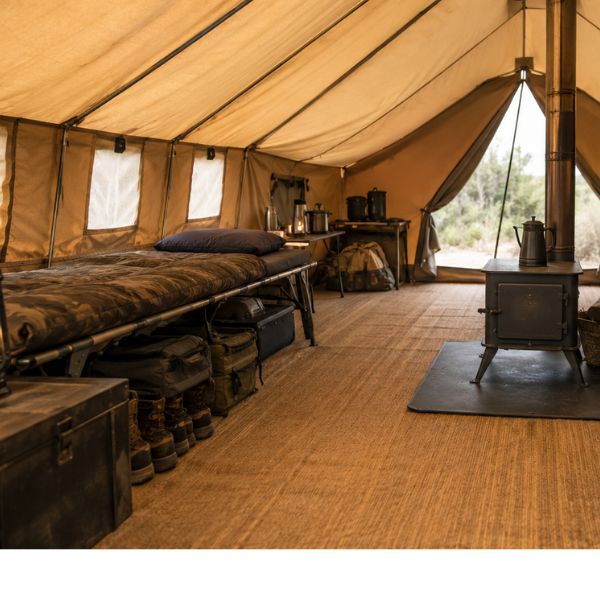
How to Set Up a Hunting Base Camp: 14 Tips for a Better Hunt
A good hunting base camp should do more than give you somewhere to sleep. For a multi-day hunt, camp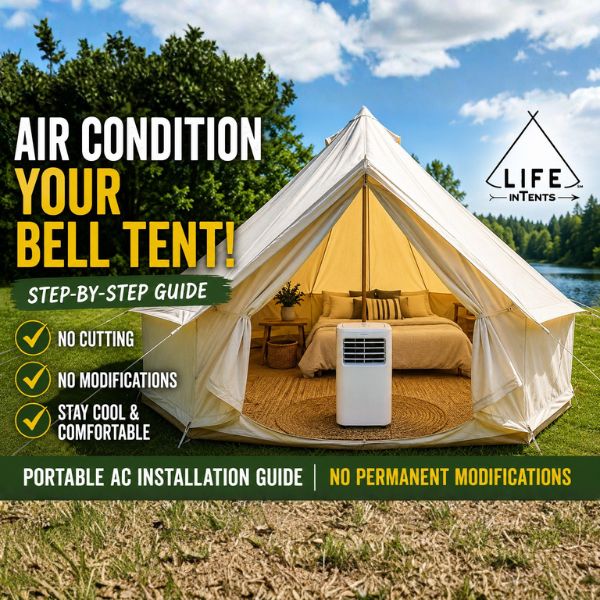
How to Air Condition a Canvas Bell Tent (Portable AC Installation Guide)
There’s nothing quite like relaxing in a canvas bell tent after a day of hiking, paddling, or simplyLearn how to install a portable air conditioner in a canvas bell tent without permanent modifications. Includes tips for stove jack holes, utility ports, and cooling performance.